
Understanding the psychological triggers behind gambling behavior
The Allure of Risk and Reward
The psychological appeal of gambling often revolves around the excitement of risk and the potential for significant rewards. This thrilling combination can lead individuals to engage in behaviors that, while risky, provide a sense of euphoria. The anticipation experienced during gambling activates brain regions associated with pleasure and motivation, compelling players to seek out that emotional high repeatedly. In many cases, those who enjoy online casinos may find themselves drawn in by the convenience and excitement they offer.
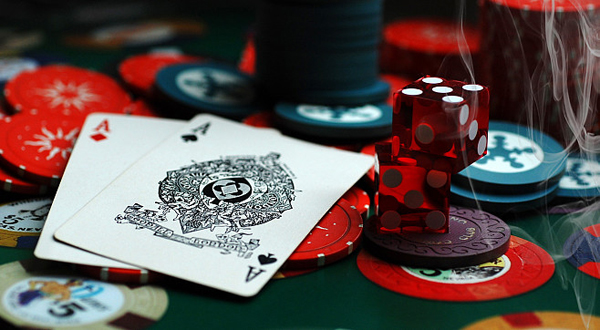
Moreover, the perception of winning, even if rare, reinforces this cycle. The brain releases dopamine—a neurotransmitter linked to pleasure—during moments of potential gain. This creates a powerful incentive for individuals to continue gambling, as they chase the fleeting feelings of success and enjoyment that accompany wins, however small.
The Role of Cognitive Biases
Cognitive biases play a significant role in gambling behavior, influencing how individuals perceive their chances of winning. Many gamblers fall prey to the illusion of control, believing they can influence outcomes in games of chance through skill or strategy. This misjudgment can lead to persistent gambling behavior, as individuals mistakenly think they can beat the odds.
Additionally, the gambler’s fallacy—a belief that past events can influence future outcomes—can further entrench gambling habits. For instance, if a player has lost several times in a row, they may believe that a win is “due.” This flawed reasoning can lead to chasing losses and compounding financial harm, making it crucial to understand these cognitive traps when addressing gambling addiction.
The Influence of Environment and Social Factors
The environment where gambling occurs significantly affects individual behavior. Factors such as accessibility to gambling venues, peer influence, and societal attitudes towards gambling can amplify the likelihood of engaging in risky behaviors. When individuals are surrounded by a culture that normalizes or glamorizes gambling, they may be more inclined to participate, often underestimating the risks involved.
Social connections also contribute to gambling behavior. Friends or family members who gamble can create a sense of community and shared experience, making it harder for individuals to recognize their own problematic behaviors. Social reinforcement, whether through peer pressure or shared excitement, can lead to an escalation in gambling habits that might otherwise remain in check.
The Emotional Factors at Play
Emotions play a crucial role in gambling behavior, often driving individuals to gamble as a means of coping with stress, anxiety, or depression. For some, gambling serves as a temporary escape, providing a distraction from life’s challenges. This coping mechanism can create a cycle of reliance on gambling for emotional relief, leading to greater financial and emotional distress over time.
Furthermore, the connection between gambling and mood states is particularly relevant. When individuals experience negative emotions, they may turn to gambling as a form of self-medication. Unfortunately, the relief gained from gambling is often short-lived, leading to a cycle of further gambling to chase that initial high, ultimately exacerbating emotional issues.

Understanding Gambling Behavior: Resources and Awareness
Addressing gambling addiction requires a comprehensive understanding of its psychological triggers. By fostering awareness of the cognitive biases, emotional influences, and environmental factors that contribute to gambling behaviors, individuals can better navigate their relationship with gambling. Support systems, including therapy and counseling, can also provide valuable tools for those struggling with gambling addiction.
Our website aims to raise awareness about gambling behaviors, offering resources and insights that help individuals recognize the signs of addiction. With information on coping strategies and support networks, we strive to empower individuals to make informed decisions about their gambling habits and promote healthier relationships with risk and reward.